Where did the term “mug” come from?
The term "mug" to refer to a drinking vessel has an interesting origin:
The word "mug" originally referred to a person's face or head, derived from the Middle English word "mugge" which had the same meaning. This usage dates back to the 16th century.
The connection between a person's face and a drinking vessel likely came from the similarity in shape - both being roughly cylindrical. Early mugs were often made from materials like pewter, ceramic, or wood, and their rounded, cup-like form resembled a human head or face.
Over time, the term "mug" became associated with the drinking container itself, rather than just the face. This usage became more common in the 18th and 19th centuries as the manufacture and popularity of mugs increased.
Some theories suggest the term may have also derived from the practice of using a human skull as a drinking vessel, especially among sailors and travelers. However, the more common explanation is the simple visual similarity between a person's head and the shape of the mug.
So in summary, the name "mug" evolved from referring to the human face to being applied to the drinking container we know today, based on their comparable rounded, cup-like forms. This linguistic evolution reflects the mug's ubiquity and importance as a practical household item.
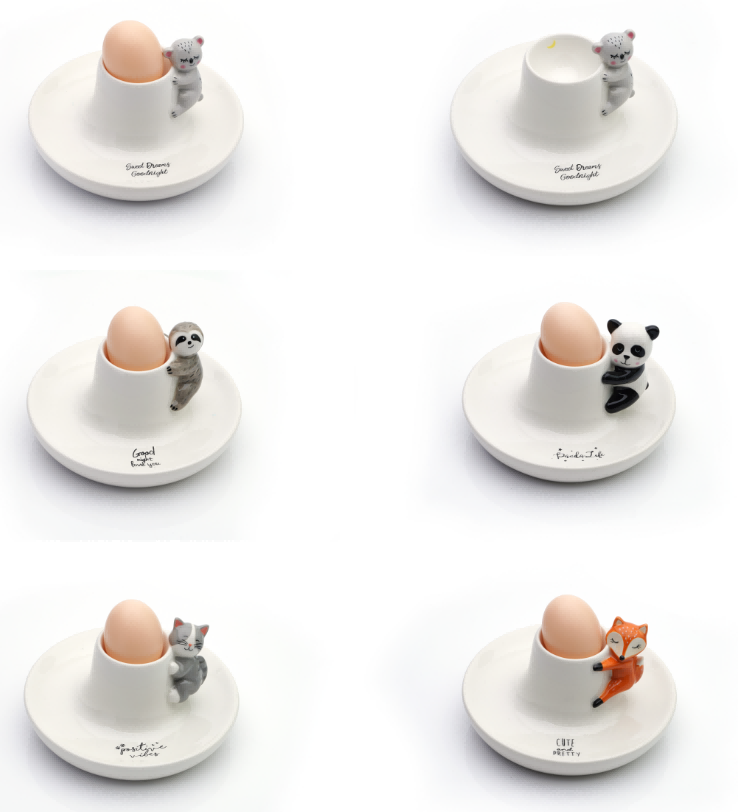
Animal Mug